





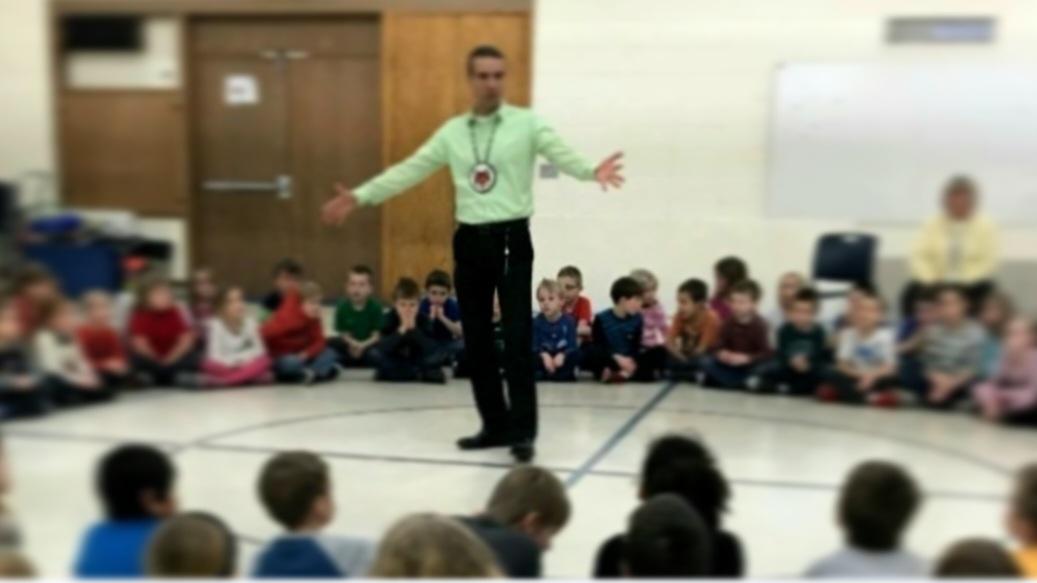
Source: Anton Treuer

Feb 2, 2026, 1:54 PM CT


Share
He’s an Ojibwe author, professor, and public speaker. And Anton Treuer has spent his career answering the questions many people are often too afraid to ask. The Bemidji man also encourages not only your questions but suggests being curious without defensiveness while learning the answers.
All the big issues we’re facing – race, politics, climate – the only way through them is together.
Anton Treuer, Ojibwe Author and Professor
Treuer teaches Ojibwe language, history, and culture at Bemidji State University in Northern Minnesota. He joins Greg Bach, host of Civic Media Mid Mornings, to talk about his work, his community, and the origins of his book, Everything You Wanted to Know About Indians, But Were Afraid to Ask.
“I kind of sit on a three-legged stool,” Treuer says. “Cultural work in Native communities, teaching, and writing. They all feed one another.”
Listen to the entire discussion here:
[podcast src="https://civicmedia.us/shows/civic-media-mid-mornings/2026/01/30/dont-be-afraid-to-ask-or-listen-hour-2"]Treuer shares that his experiences as a student at Princeton University helped shape his approach to education and dialogue. And despite expecting racial stereotypes to fade in academic spaces, he instead found it persisted – often awkwardly and sometimes even painfully.
Yet, rather than responding with anger, Treuer started collecting the questions people asked him, ranging from terminology and tribal sovereignty to sports mascots and representation. Those questions eventually became the foundation of his book, first published in 2012 and recently updated to reflect more than a decade of change.
He says a defining moment came during a visit to a sweat lodge ceremony in New Jersey. Treuer encountered well-meaning but misinformed participants. But instead of walking away, he chose conversation.
“I learned there’s real value in giving a meaningful answer instead of an angry rebuke,” he explains.
Throughout the discussion, Treuer emphasizes cultural humility over cultural competence and notes that no one can fully master another culture.
“The goal isn’t to be an expert,” he says. “It’s to stay open, listen, and be willing to evolve.”
Treuer also addresses how Native people are portrayed in entertainment. He’s seeing progress, but he explains that many narratives still frame Indigenous people as historical rather than contemporary.
“We’re not just stories from before 1900,” he says. “We’re here now, living full, complex lives.”
He points to Native-led efforts in language revitalization, education, and economic development as examples of progress that often go overlooked. Treuer calls those successes a way to show what is possible through partnership rather than pity.
“All the big issues we’re facing – race, politics, climate – the only way through them is together,” Treuer says.

Teri Barr is Civic Media’s Content Creator and a legend in Wisconsin broadcast journalism. Email her at [email protected].
Want More Local News?

Civic Media
Civic Media Inc.
The Civic Media App
Put us in your pocket.